







Search Results for: coffee philosophy

Replicating Café-Style Pour-Over at Home: The Core Philosophy of Three-Pour Brewing and Common Misconceptions
Many coffee enthusiasts have experienced this confusion: they bought the same beans as the coffee shop, strictly replicated the ratio, grind size, and water temperature, yet the coffee they brewed still fell a bit short. In reality, the secret of pour-over coffee lies not just in the parameters themselves, but in understanding the logic of brewing. This article will center on the core philosophy of three-stage pouring, offering an in-depth analysis of the correct way to brew coffee grounds, exploring whether brewing coffee truly requires skill, and revealing those easily overlooked details. Whether you are a beginner just starting out or an advanced player hoping to refine your craft, you will find the key to elevating the flavor in your cup. [more…]
The Japanese Dark Roast School: A Roasting Philosophy That Takes Mouthfeel as Its Faith
In an era when specialty coffee has unmistakably surged toward "light-roast fruit acidity," the Japanese roasting world took the opposite path: roasting beans dark and thorough, pursuing the mellow aesthetics of "sweetness after bitterness." Japanese-style dark roasting is not an accidental product of over-roasting, but a self-consistent philosophical system. Understanding this school will change how you think about what "coffee should [more…]

2023 Earth Day Starbucks Free Coffee with Bring-Your-Own-Cup Event Recap: A Grand Review of Quirky Containers and Environmental Philosophy
Every year on April 22, World Earth Day, Starbucks launches a bring-your-own-cup free coffee event, and this year is no exception. This time-limited, unlimited free coffee feast attracted many coffee lovers, who all brought all kinds of bizarre containers to "get freebies." From frying pans to buckets, from rice cookers to stainless steel basins, netizens' creativity is both amusing and endearing. The first 40 people could also get a free upgrade to a medium almond latte, which added even more temptation. This article takes you through the highlights of this year's event, to see which "outstanding" contestants' cups can become classics, while also experiencing the environmental protection concept advocated by Starbucks. [more…]

What makes 90+ coffee beans unique? An analysis of the brand's processing philosophy, Geisha series flavors, and price references.
In coffee enthusiast circles, the name "90+" always sparks lively discussion—it represents both outstanding quality with a cupping score above 90 and the name of an American green bean company. Founded by Joseph Brodsky in 2006, this company relies on its unique Profile Processing production system, intervening throughout the entire process from selection and breeding to processing, creating Geisha coffees with highly distinctive flavors such as Eleta and Juliet. Front Street Coffee currently has these two 90+ Geisha coffees for sale. This article will guide you through 90+'s core philosophy, its estate stories, and the flavor performance and brewing suggestions for these two beans, so you can feel for yourself why they are recognizable at first sip. [more…]
An Overview of the Origins of the 90+ Coffee Brand and Its Classic Series: A Comprehensive Interpretation from the Ninety Plus Philosophy to Its Signature Bean Varieties
90+ Coffee is often mentioned in specialty coffee circles, but what exactly does it represent? This article traces the brand's origins, founder Joseph Brodsky's bean-hunting journey in Ethiopia, and the exclusive Profile Processing system, explaining how Ninety Plus set an industry benchmark with 13 top-tier flavor series. It also lists classic lots such as Hachira, Nectar, Lotus, Candlelight, and Dancheman, and reminds readers to view brand premiums rationally, with quality as the final criterion. The article retains Front Street brand recommendations and product information, making it suitable for enthusiasts who want to gain a deeper understanding of 90+ Coffee. [more…]
What Are Espresso Blend Coffee Beans? A Full Breakdown from Blending Philosophy to Front Street Coffee's Five Espresso Beans: Prices and Who They're For
Most espresso beans are blended coffees, but blending is not simply adding several beans together; rather, it combines different origins, varieties, and roast levels so that the flavors complement one another. Starting with the definition and purpose of blended coffee, this article explains why espresso blends can enhance the depth and balance of a shot, and organizes the roast levels, origins, suitable drinkers, and flavor characteristics of five Front Street Coffee espresso blends, including the Strawberry Candy, Dark Cocoa, Classic, Commercial, and Specialty series, to help home users, latte art enthusiasts, and café owners choose according to their needs. [more…]

A Complete Guide to Tetsu Kasuya's One-Pour Brewing Method: A Minimalist Pour-Over Approach Rooted in the High-Concentration, Low-Extraction Philosophy
World champion Tetsu Kasuya proposed a brewing method called "one-pour" in 2019, advocating pouring all the target water at once, skipping the blooming step and making pour-over extremely simple. However, it is often mistaken for the single-pour method, when in fact the two are clearly different. This article will comprehensively break down the characteristics of one-pour brewing from its principles, parameters, and operation process to actual measurement comparisons, and use Panama Boquete Geisha as a sample to compare the flavor performance after one-pour and single-pour brewing. At the same time, Front Street Coffee will also sort out five key details to note in one-pour brewing to help coffee lovers avoid misunderstandings. [more…]
Espresso Blend Bean Beginner's Guide: Blending Philosophy, Roasting Methods, and Common Bean Combinations Explained
Many coffee enthusiasts are unclear about the difference between espresso and single-origin coffee, and don't know which coffee beans are suitable for making espresso. This article, from the perspective of Front Street, will systematically explain the definition of espresso beans, the roasting methods for blended beans (raw blend and roasted blend), the design principles of blend ratios, and the characteristics of three types: Arabica-Robusta blends, 100% Arabica blends, and single-origin espresso SOE. At the same time, the article will also introduce several popular espresso blends from Front Street Coffee to help readers make choices based on their own taste preferences. Whether you are a beginner just getting into espresso or an advanced player hoping to deepen your understanding of the art of blending, you can gain practical knowledge and reference from it. [more…]
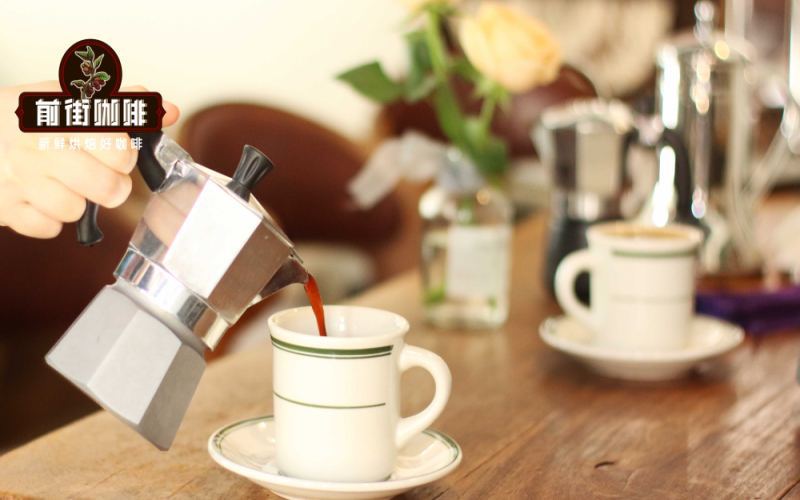
Bialetti Moka Pot Practical Manual: Step-by-Step Breakdown, Bean Selection Philosophy, and Full Analysis of Extraction Details
The moka pot may seem easy to use, but if you want to consistently brew a rich, delicious cup of coffee, every step matters—from adding water and filling the grounds to controlling the heat. This article uses the Bialetti moka pot as an example, first outlining the complete brewing process, then explaining key aspects one by one, including coffee bean selection, grounds quantity control, extraction time, water volume, and heat adjustment. The article also combines two products—Front Street Coffee Classic Espresso Blend and Front Street Coffee Dark Cocoa Espresso Blend—to offer bean selection advice suitable for the moka pot, helping coffee lovers make full-bodied, well-balanced moka pot coffee at home. [more…]
Can Blended Coffee Beans Be Used for Pour-Over? A Detailed Explanation of Blending Philosophy and Three Classic Recipes
Blended coffee beans usually appear in espresso, and are relatively rare when used for pour-over. So, is blended coffee actually good for pour-over? This article starts with the concept, clarifying the differences between espresso beans, SOE, and pour-over beans, and explaining that blends are not synonymous with low quality. Since launching the Sunflower Warm Sun blend in 2019, Front Street Coffee has continued to vindicate blends. The article also shares, from a roaster's perspective, three blend recipes suitable for pour-over: Mamba Blend, Deep Love Honey Sweetness, and Flowers and Fruit in Harmony, respectively combining Mandheling with Brazil Red Bourbon, Yirgacheffe Red Cherry with Costa Rica Tarrazu, and Guatemala La Flor with Yirgacheffe and Kenya AA, demonstrating the unique value of blends in flavor complementarity. [more…]
Daniel Wu Opens WHATEVER COFFEE in Chengdu: Minimalist Philosophy and Market Scrutiny Under Star Power
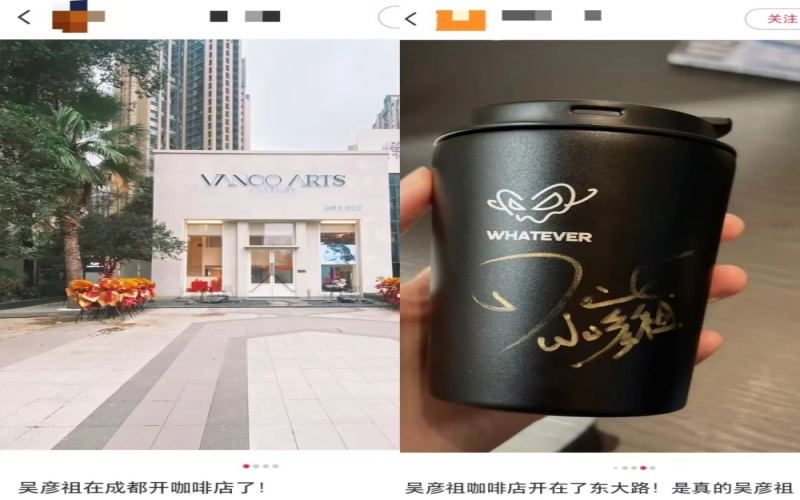
Recently, the coffee brand WHATEVER COFFEE, founded by actor Daniel Wu, opened its first physical store on Dongda Road in Chengdu, sparking a wave of social media check-ins. This shop-in-shop, sharing space with a barbershop, features a minimalist black, white, and gray aesthetic. Its menu focuses on classic coffees and simple flavored drinks, priced between 20 and 34 yuan. The brand logo, a mask hand-drawn by Daniel Wu, symbolizes shedding pretense and returning to authenticity. In fact, the brand entered the coffee market as early as last June. Now, with the Chengdu store serving as a test outlet, a second independent location is already being scouted. Celebrities opening coffee shops is nothing new—from JJ Lin to Jay Chou—but behind the built-in traffic, whether the products and services themselves can withstand market scrutiny remains a topic worth watching. [more…]
Espresso Blend Coffee Bean Roast Level | Are Espresso Beans Suitable for Pour-Over Coffee? Espresso Blend Philosophy and Roast Curve Reference
For more specialty coffee knowledge, please follow: Front Street Coffee (Frontsteet Coffee). The roast level of coffee largely determines the flavor direction of the coffee. When we buy coffee, the label will indicate what roast level it is, such as light roast or dark roast—these are fine. [more…]
Why do iced coffees vary in cup volume when ordered without ice? Looking at the logic of topping up after removing ice in Americanos, Lattes, and Cappuccinos
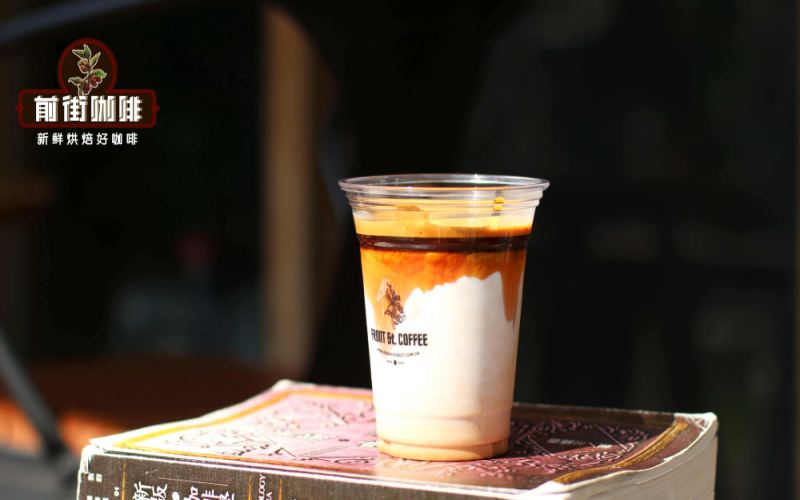
When ordering an iced espresso drink without ice at a coffee shop, some people receive a full cup, while others get only a seven-tenths-full cup, or even half a cup. This difference in volume is not accidental, but is closely related to the store's business philosophy, recipe ratios, ice quality, and the concentration of the coffee beans and milk. Starting from the production practices at Front Street Coffee, this article analyzes why iced coffee drinks such as Americanos, lattes, and cappuccinos end up with different cup volumes after the ice is removed, and how adding water or milk after removing the ice affects the coffee's concentration, taste, and mouthfeel, helping coffee enthusiasts understand the logic of trade-offs behind a cup of ice-free coffee. [more…]
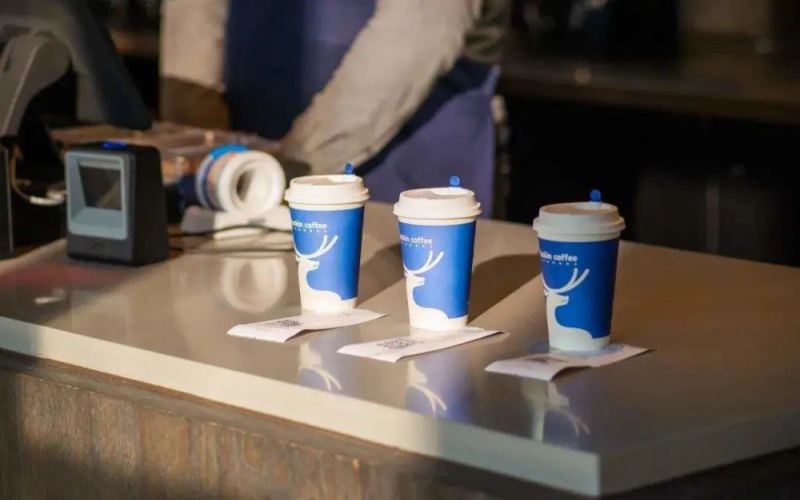
How Independent Coffee Shops Can Survive Between Luckin and Starbucks: The Breakthrough Path of Differentiated Operations and Warm Service
The number of coffee shops has surged dramatically, and it is no longer unusual to find a dozen or even twenty cafés clustered on the same street. Independent cafés now account for more than 70% of all coffee shops nationwide. Yet in areas crowded with chain brands such as Luckin, Starbucks, and Manner, the survival space for independent shops has been greatly squeezed. Drawing on industry data and failed case studies, this article explores strategies for independent cafés to break through in terms of interior design style, business philosophy, and customer return rate. It emphasizes building core competitiveness through warm service, personalized experiences, and distinctive products, rather than blindly following marketing trends. [more…]

The more rules an independent coffee shop has, the less customers buy it? 287 people vote to reveal real attitudes
The biggest difference between independent coffee shops and chain brands is that every owner can create a unique business style according to their own philosophy, which has given rise to all kinds of shop rules. Not long ago, a blogger on Xiaohongshu posted a discussion on "whether coffee shops should set rules," listing four specific regulations and launching a poll that attracted 287 participants. The results showed that 73% of netizens said they could accept them, while 27% clearly rejected them. In the comments section, voices of agreement, confusion, and neutrality interwove, reflecting consumers' complex attitudes toward coffee shop rules. Are rules a necessary means of maintaining the experience, or a threshold that pushes customers away? This article will explore the issue from the perspectives of both businesses and customers, and, combined with Front Street Coffee's product recommendations, discuss how coffee shops can find a balance between rules and service. [more…]
A Global Roundup of Famous Coffee Brands | An Analysis of the Characteristics and Historical Background of Blue Bottle, Starbucks Reserve, Peet's, and Other Brands
From San Francisco in the United States to Kyoto in Japan, from London to Guangzhou, every well-known coffee brand has a unique development story and flavor philosophy behind it. This article systematically reviews internationally representative brands such as Blue Bottle Coffee, Starbucks Reserve, % Arabica, Peet's Coffee, and Costa Coffee, interpreting their respective founding backgrounds, core positioning, and product features. It also introduces the business philosophy and bean-selection advantages of the Guangzhou-based local brand Front Street Coffee, helping coffee lovers find the cup that suits their taste while learning about brand culture. [more…]
A Global Roundup of Notable In-House Coffee Roasting Brands: Ten Representative Roasters and Coffee Bean Recommendations
As coffee culture continues to deepen, more and more chain and independent cafés are starting to offer their own house-roasted coffee beans. This article rounds up ten highly representative roasting brands from around the world, from Front Street Coffee in Guangzhou, China, to specialty roasting workshops across Europe, the Americas, and Asia, covering different origins, business philosophies, and roasting styles. Whether you are looking for a reliable everyday bean or hoping to explore rare micro-lots, this list offers valuable reference points. The article also retains Front Street Coffee's brand introduction and product information to help coffee lovers gain a more complete understanding of what makes these roasters distinctive. [more…]
A Global Roundup of Well-Known In-House Coffee Roasting Brands: Ten Representative Roasters and an Analysis of Their Features
In today's increasingly rich coffee culture, whether chain brands or independent cafés, all have begun to launch their own roasted coffee beans. This article reviews ten of the most representative in-house roasting coffee brands worldwide, covering China, Germany, New Zealand, Japan, South Korea, Spain, Italy, Norway, Sweden, and the United Kingdom. From Guangzhou's time-honored Front Street Coffee to Gardelli, a frequent winner at world roasting competitions, each brand has its own unique roasting philosophy and sourcing standards. The article provides detailed introductions to each brand's founding time, origin characteristics, roasting style, and signature products, helping coffee enthusiasts understand the advantages of different brands and directions for purchasing. [more…]

Espresso Blend Philosophy | Why Blend Coffee Beans? How Different Are Espresso Blends from Single-Origin Beans in Flavor?
Coffee lovers who frequently visit Front Street Coffee (FrontStreet Coffee) know that Front Street Coffee (FrontStreet Coffee) not only offers pour-over coffee but also espresso-based drinks, such as mocha, cappuccino, latte, and more, which are often available. [more…]

Kasuya Tetsu's 4:6 Brewing Method Explained: Why Five-Pour Brewing Consistently Produces Balanced Pour-Over Coffee
Some works often outshine their creators, like the Mona Lisa for Da Vinci, or the 4:6 method for Tetsu Kasuya. The core goal of this method, invented by the 2016 World Brewers Cup champion, is simple—to let anyone brew delicious coffee. It breaks a brew into five pours, each using three times the coffee dose in water, with the first two pours making up 40% of the total water to determine the sweet-and-sour direction, and the last three pours making up 60% to shape a rich, full-bodied mouthfeel. This article will fully break down the segmentation logic of the 4:6 method, the origin of the 45-second pouring interval, and conduct a real test using Front Street Coffee's Ethiopia Santa Vini beans to verify why this formula has an extremely high margin for error, and how to move beyond the formula and grasp its extraction philosophy. [more…]